


Quick Summary
If you’re short on time, here’s what you need to know:
- Sitting for long periods contributes to poor posture, muscle stiffness, and reduced circulation.
- Taking a 1 - 5 minute movement break every 30 - 60 minutes helps reduce these effects.
- Desk exercises improve flexibility, posture, energy, and workplace productivity.
- Most exercises require no equipment and can be performed in regular work clothes.
- Consistency is more important than intensity. Small movement breaks throughout the day provide greater benefits than one long stretching session.
Why Desk Workers Need Regular Exercise
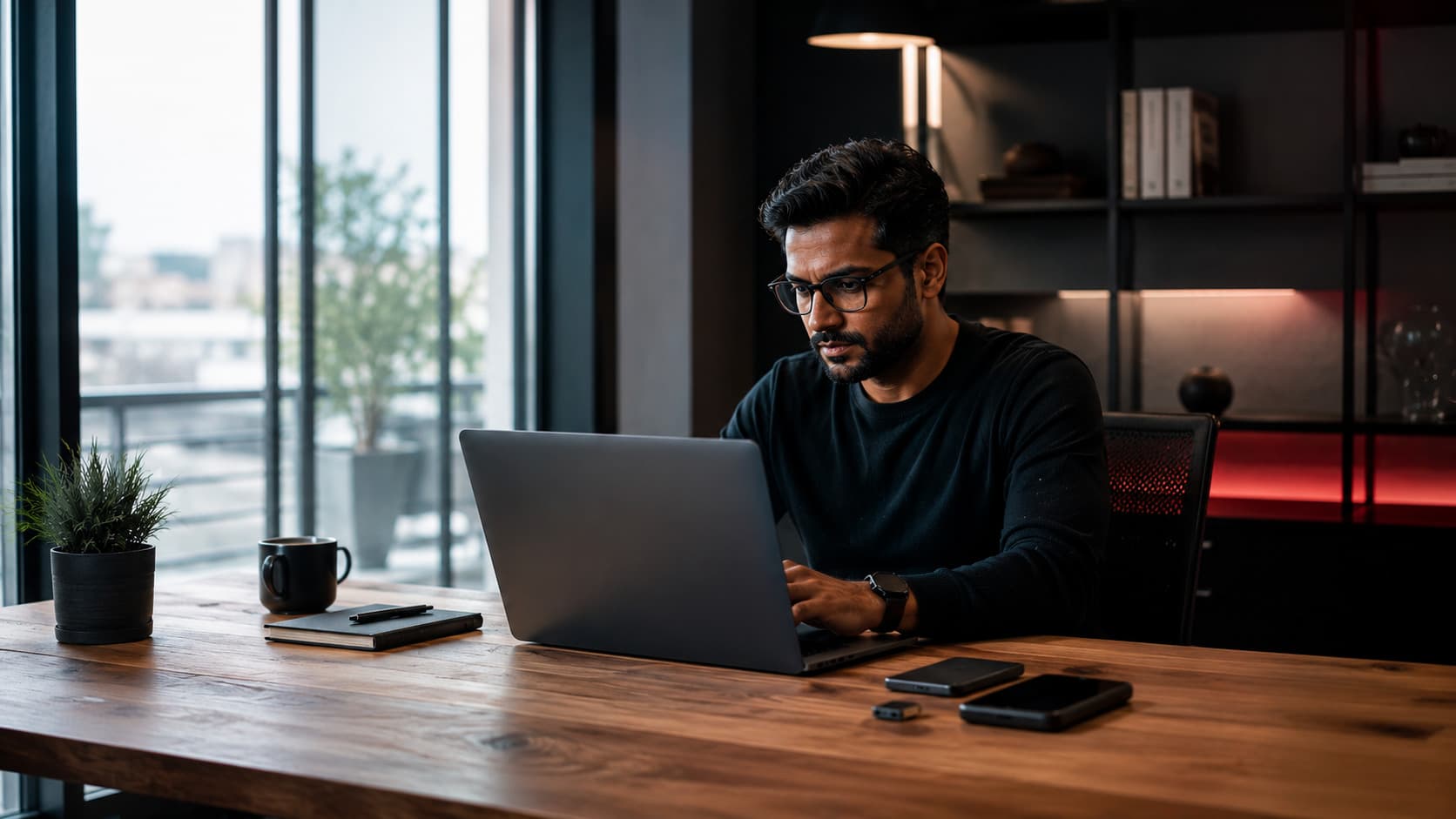
Humans are designed to move. Yet many modern jobs require us to remain seated for most of the day. When you sit for hours without changing position, several things begin to happen inside your body:
- Your neck gradually moves forward toward the computer screen.
- Your shoulders round inward.
- Hip flexors tighten.
- Glute muscles become less active.
- Lower back muscles experience additional strain.
- Blood circulation slows, especially in the legs.
- Wrist and forearm muscles become fatigued from repetitive typing.
These changes don’t happen overnight. They develop gradually, making many people believe discomfort is simply part of having a desk job. Fortunately, regular movement helps interrupt this cycle before it leads to chronic pain.
The Health Risks of Sitting All Day
Research has consistently linked prolonged sitting with a range of health concerns. While desk work itself isn’t harmful, remaining in the same position for extended periods can increase the risk of:
- Neck and shoulder pain
- Lower back discomfort
- Muscle stiffness
- Poor posture
- Reduced flexibility
- Wrist strain from keyboard and mouse use
- Slower circulation
- Fatigue
- Reduced energy
- Increased risk of repetitive strain injuries (RSIs)
The longer you remain still, the harder your muscles must work to support your posture. Over time, this imbalance can affect both comfort and productivity.
How Movement Improves Productivity
Many people assume taking breaks reduces productivity. In reality, the opposite is often true. Short movement breaks can help:
- Increase blood flow to muscles and the brain
- Improve concentration
- Reduce mental fatigue
- Refresh your focus
- Decrease stress levels
- Improve mood
- Reduce stiffness before it becomes painful
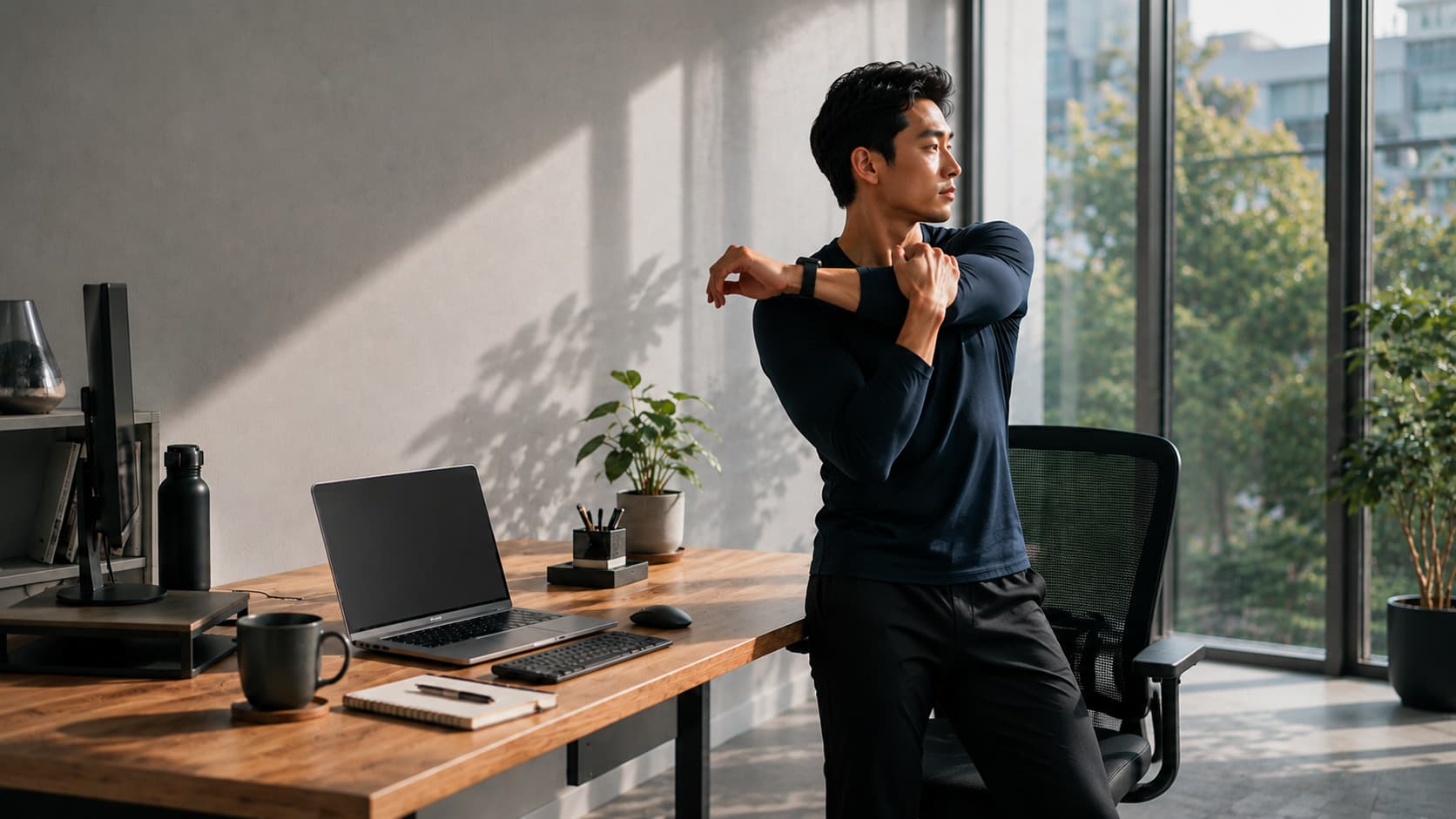
Instead of working continuously for several hours, think of movement as resetting your body and mind. Even two minutes of stretching can help you return to work feeling more energized.
Signs You Need More Movement During the Workday
Not sure if prolonged sitting is affecting you? Your body often provides early warning signs. You may benefit from more movement if you frequently experience:
- Tight shoulders by the afternoon
- Neck pain after long computer sessions
- Lower back discomfort
- Tingling in your wrists or fingers
- Stiff hips when standing up
- Headaches caused by muscle tension
- Swollen feet or ankles
- Constant fatigue despite getting enough sleep
- Difficulty maintaining good posture
- Feeling mentally sluggish during the day
If several of these symptoms sound familiar, adding short exercise breaks throughout your workday can help reduce discomfort before it becomes a long-term problem.
How Often Should Desk Workers Exercise?
One of the most common questions is: “How often should I move during the workday?” There isn’t a single perfect schedule, but a practical guideline is to avoid sitting continuously for more than 30 - 60 minutes at a time. A simple routine might look like this:
| Time | Activity |
| Every 30 - 60 minutes | Stand up and stretch for 1 - 2 minutes |
| Mid-morning | Complete 3 - 5 desk exercises |
| Lunch break | Walk for 10 - 20 minutes |
| Mid-afternoon | Repeat a short stretching routine |
| End of workday | Perform a full-body mobility session for 5 - 10 minutes |
The goal isn’t to interrupt your workflow constantly. Instead, build movement into your day in a way that’s realistic and sustainable.
20 Best Exercises for Desk Workers
The following exercises require little or no equipment and are suitable for most healthy adults. Move slowly, breathe normally, and never force a stretch into a painful position.

1. Neck Stretch
Hours spent looking at a computer screen can create tension in the muscles that support your head and neck.
How to do it
- Sit or stand with your back straight.
- Slowly tilt your head toward your right shoulder.
- Hold for 15 - 20 seconds.
- Return to the center.
- Repeat on the opposite side.
Benefits
- Relieves neck tension
- Improves flexibility
- Helps reduce stiffness from prolonged screen time
2. Shoulder Rolls
Shoulder rolls are one of the simplest ways to release upper-body tension.
Steps
- Sit upright.
- Lift both shoulders toward your ears.
- Roll them backward in a slow circular motion.
- Repeat 10 times.
- Reverse the direction for another 10 repetitions.
Benefits
- Reduces shoulder stiffness
- Improves circulation
- Encourages better posture
3. Chin Tucks
Many desk workers develop “forward head posture,” often called tech neck. Chin tucks strengthen the muscles that help keep your head aligned with your spine.
Steps
- Sit tall.
- Look straight ahead.
- Gently pull your chin backward, creating a “double chin.”
- Hold for five seconds.
- Repeat 10 times.
Benefits
- Improves posture
- Reduces neck strain
- Helps counter forward head posture
4. Wrist Stretch
Typing all day places continuous stress on your wrists and forearms.
Steps
- Extend one arm forward with your palm facing up.
- Use your opposite hand to gently pull the fingers downward.
- Hold for 20 seconds.
- Switch hands.
Benefits
- Improves wrist mobility
- Reduces muscle tightness
- May help reduce typing-related discomfort
5. Wrist Circles
A quick exercise that keeps your wrists mobile throughout the day.
Steps
- Extend both arms.
- Rotate your wrists clockwise for 15 seconds.
- Reverse direction.
- Repeat several times.
Benefits
- Increases flexibility
- Improves circulation
- Helps reduce wrist stiffness
6. Chest Opener Stretch
Sitting often causes the chest muscles to tighten while the upper back rounds forward.
Steps
- Stand behind your chair.
- Clasp your hands behind your back.
- Straighten your arms gently.
- Lift your chest without arching your lower back.
- Hold for 20 - 30 seconds.
Benefits
- Opens the chest
- Reduces rounded shoulders
- Encourages better posture
7. Overhead Stretch
This full-body stretch helps lengthen the spine and release tension after long periods of sitting.
Steps
- Raise both arms overhead.
- Interlace your fingers.
- Turn your palms upward.
- Reach gently toward the ceiling.
- Hold for 15 - 20 seconds while breathing deeply.
Benefits
- Improves shoulder mobility
- Relieves upper-body tightness
- Encourages spinal elongation

8. Seated Spinal Twist
A gentle spinal twist helps relieve stiffness in the lower back and improves mobility.
Steps
- Sit upright with both feet flat on the floor.
- Place your right hand on the outside of your left knee.
- Slowly rotate your torso to the left.
- Hold for 20 seconds.
- Repeat on the opposite side.
Benefits
- Improves spinal mobility
- Relieves lower back tension
- Promotes better posture
9. Seated Cat-Cow Stretch
The seated Cat-Cow stretch improves spinal mobility and helps relieve stiffness caused by prolonged sitting. It also encourages better posture and reduces tension in the upper and lower back.
How to Do It
- Sit upright with both feet flat on the floor.
- Place your hands on your thighs.
- Inhale as you arch your back, lift your chest, and look slightly upward.
- Exhale as you round your back, tuck your chin toward your chest, and draw your belly inward.
- Repeat slowly for 8 - 10 repetitions.
Benefits
- Improves spinal flexibility
- Reduces back stiffness
- Encourages healthy posture
10. Seated Figure-Four Stretch
Long hours of sitting tighten the hips and glutes, which often contribute to lower back discomfort.
How to Do It
- Sit near the front of your chair.
- Cross your right ankle over your left knee.
- Keep your back straight.
- Lean forward gently until you feel a stretch in your right hip.
- Hold for 20 - 30 seconds before switching sides.
Benefits
- Opens tight hips
- Relieves glute tension
- Supports lower back health
11. Hip Flexor Stretch
Hip flexors remain shortened while sitting, which can affect posture and contribute to back pain.
How to Do It
- Stand beside your desk.
- Step one foot backward into a comfortable lunge.
- Keep your torso upright.
- Gently shift your weight forward until you feel a stretch in the front of the rear hip.
- Hold for 20 - 30 seconds and switch legs.
Benefits
- Improves hip mobility
- Reduces lower back strain
- Encourages better posture
12. Seated Leg Extensions
This simple movement strengthens your thighs while improving circulation.
How to Do It
- Sit upright.
- Extend one leg until it is nearly straight.
- Hold for two seconds.
- Lower slowly.
- Repeat 10 - 12 times on each leg.
Benefits
- Strengthens the quadriceps
- Improves circulation
- Reduces leg stiffness
13. Standing Calf Raises
Your calf muscles act as a “second heart,” helping pump blood back toward the upper body.
How to Do It
- Stand behind your chair.
- Hold the backrest lightly for balance.
- Raise your heels until you are standing on your toes.
- Pause briefly.
- Lower slowly.
- Repeat 15 - 20 times.
Benefits
- Improves blood circulation
- Strengthens calves
- Reduces ankle stiffness
14. Chair Squats
Chair squats strengthen your legs and glutes while improving balance and mobility.
How to Do It
- Stand in front of your chair.
- Lower yourself until your hips almost touch the seat.
- Press through your heels to stand again.
- Perform 10 - 15 repetitions.
Benefits
- Builds lower-body strength
- Activates glute muscles
- Improves functional movement

15. Desk Push-Ups
Desk push-ups strengthen your chest, shoulders, arms, and core without requiring floor space.
How to Do It
- Stand about two feet from a sturdy desk.
- Place your hands slightly wider than shoulder-width.
- Lower your chest toward the desk.
- Push back to the starting position.
- Complete 10 - 15 repetitions.
Benefits
- Strengthens the upper body
- Improves posture
- Activates the core
16. Wall Push-Ups
If your desk isn’t stable enough, wall push-ups are an excellent alternative.
How to Do It
- Stand facing a wall.
- Place your palms against it.
- Bend your elbows to lower your body.
- Push yourself back.
- Repeat 10 - 15 times.
Benefits
- Beginner-friendly
- Builds upper-body strength
- Places less stress on the wrists
17. Standing Marches
Standing marches increase circulation and gently elevate your heart rate.
How to Do It
- Stand upright.
- Lift one knee toward your waist.
- Lower it and repeat with the opposite leg.
- Continue for 30 - 60 seconds.
Benefits
- Improves circulation
- Increases energy
- Reduces stiffness after prolonged sitting
18. Walking Lunges
Walking lunges strengthen your legs while improving balance and mobility.
How to Do It
- Take a large step forward.
- Lower your back knee toward the floor.
- Push through your front foot.
- Continue with the opposite leg.
- Perform 8 - 10 repetitions per leg.
Benefits
- Strengthens the lower body
- Improves stability
- Increases hip mobility
19. Glute Squeezes
This discreet exercise can even be performed during meetings.
How to Do It
- Sit or stand.
- Tighten your glute muscles.
- Hold for five seconds.
- Relax.
- Repeat 15 times.
Benefits
- Activates inactive muscles
- Supports hip stability
- Helps counter prolonged sitting
20. Desk Plank
A desk plank strengthens your core while improving posture.
How to Do It
- Place your forearms or hands on a sturdy desk.
- Step backward until your body forms a straight line.
- Tighten your core.
- Hold for 20 - 30 seconds.
Benefits
- Strengthens the core
- Improves stability
- Supports spinal alignment
A 5-Minute Desk Workout Routine
If you’re busy, this simple routine provides a full-body movement break in just five minutes.
| Exercise | Duration |
| Neck Stretch | 30 seconds |
| Shoulder Rolls | 30 seconds |
| Wrist Stretch | 30 seconds |
| Chair Squats | 1 minute |
| Desk Push-Ups | 1 minute |
| Standing Marches | 1 minute |
| Hip Flexor Stretch | 30 seconds |
Perform this routine two to four times throughout your workday to stay energized and reduce stiffness.
Ergonomic Tips That Make Exercises More Effective
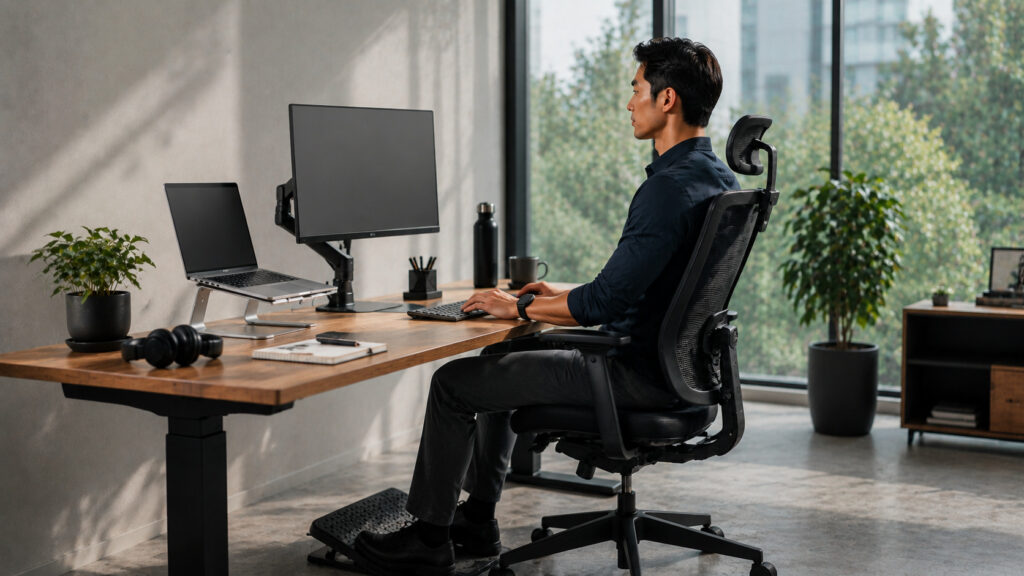
Exercise works best when combined with a healthy workstation setup. Follow these simple ergonomic habits:
- Keep your monitor at eye level.
- Sit with both feet flat on the floor.
- Maintain a slight bend (about 90 degrees) in your knees and elbows.
- Support the natural curve of your lower back with your chair or a lumbar cushion.
- Keep your keyboard and mouse close to avoid overreaching.
- Alternate between sitting and standing if you use a height-adjustable desk.
- Take phone calls while standing or walking whenever possible.
Remember: Your best posture is your next posture. Even the perfect sitting position becomes uncomfortable if maintained for too long.
Common Mistakes Desk Workers Make
Avoid these habits to get the most benefit from your movement routine:
- Sitting for several hours without standing.
- Waiting until you’re in pain before stretching.
- Holding your breath during stretches.
- Moving too quickly or forcing a stretch.
- Ignoring wrist and forearm mobility.
- Relying only on weekends for exercise.
- Using poor workstation ergonomics.
- Skipping movement breaks during busy days.
Small, consistent habits are more effective than occasional intense workouts.
Final Thoughts
Working at a desk doesn’t have to mean living with constant neck pain, tight shoulders, or an aching back. By incorporating short movement breaks and simple exercises into your daily routine, you can improve posture, increase flexibility, reduce stiffness, and maintain better energy throughout the day.
The key isn’t spending hours exercising, it’s moving consistently. Even a few minutes every hour can help offset the effects of prolonged sitting and make your workday healthier and more productive.
Choose a handful of exercises from this guide, add them to your calendar or set a reminder, and build them into your routine. Over time, these small habits can lead to meaningful improvements in your comfort, mobility, and overall well-being.